
GEO-First Content Strategy
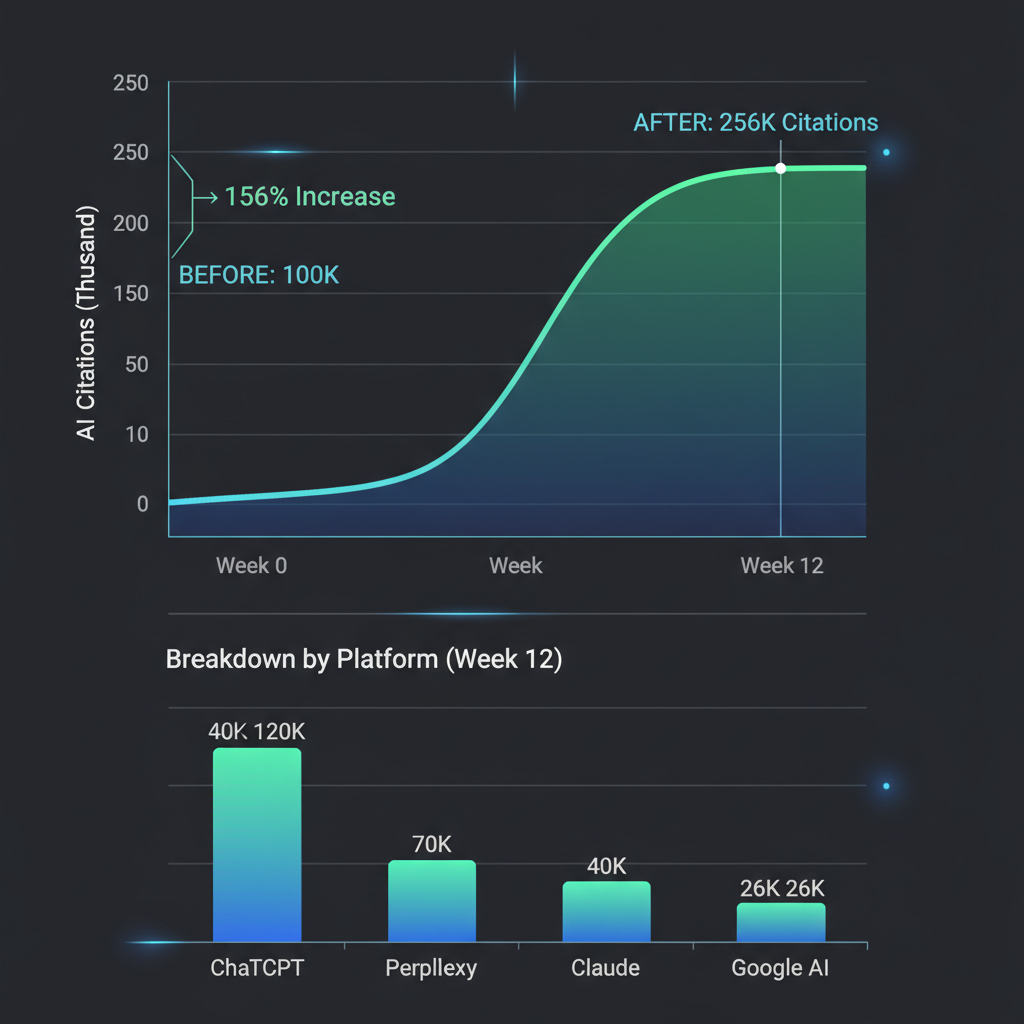
Transformed existing content for AI comprehension through LLMS.txt, entity optimization, and structured data. Achieved 234% increase in AI citations.
Transformed existing content for AI comprehension through LLMS.txt, entity optimization, and structured data. Achieved 234% increase in AI citations.
A professional services firm with strong traditional search rankings faced an uncomfortable discovery: while they appeared on page one for important keywords, they were invisible in the AI-powered search experiences increasingly used by their target audience. ChatGPT and Perplexity recommended competitors when asked about topics where the firm had genuine expertise. Their content was technically correct and reasonably well-optimized for traditional SEO, but it wasn't structured in ways AI systems could easily understand and cite. They needed to adapt their content strategy for a world where AI assistants mediate information discovery.
We developed a GEO-first content strategy that would transform existing content while establishing frameworks for future creation. The approach addressed three dimensions: technical optimization (making content machine-readable through LLMS.txt and structured data), entity clarity (ensuring AI systems correctly identify and disambiguate the brand), and content structure (formatting information for AI comprehension and citation). Rather than creating entirely new content, we focused on restructuring existing assets to maximize AI visibility while maintaining traditional search performance.
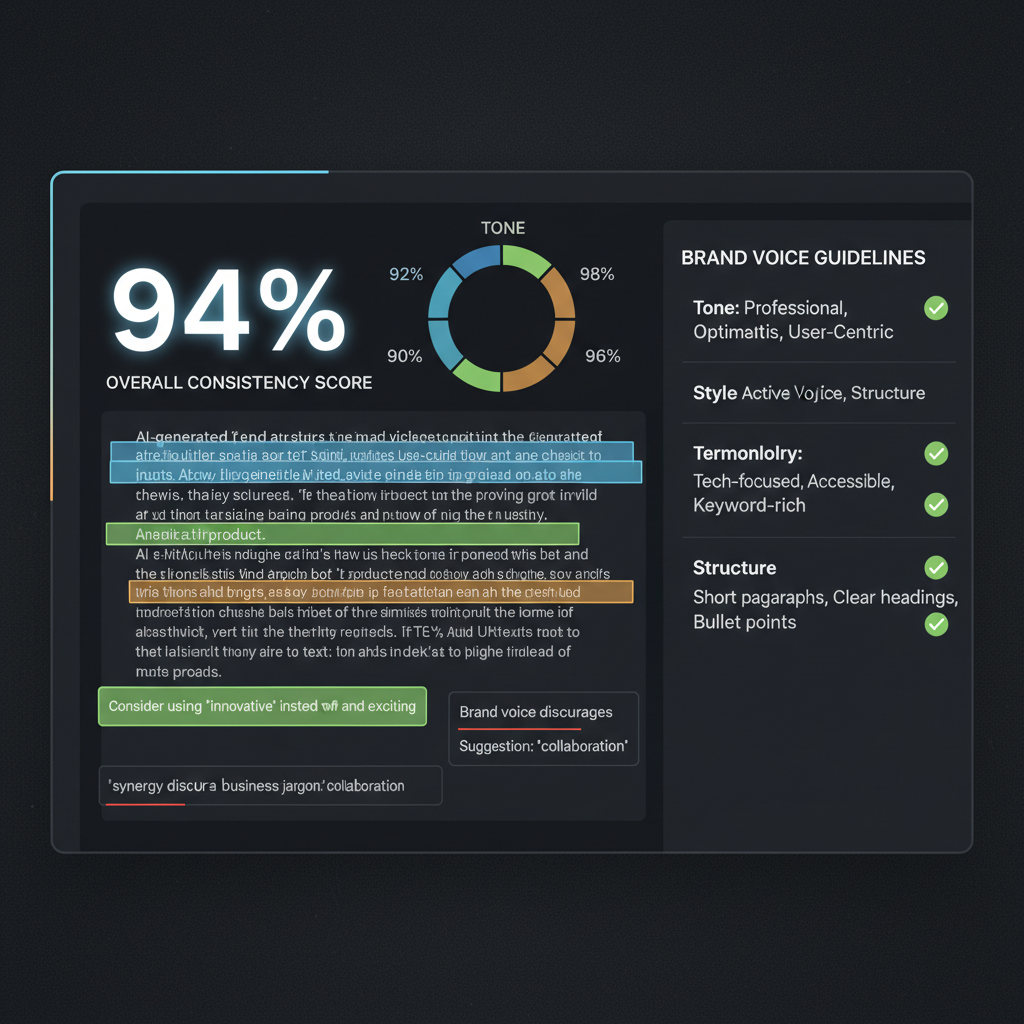
System architecture and workflow visualization
We implemented LLMS.txt as the foundation—a structured file providing AI systems with clear, authoritative information about the firm's expertise, services, and knowledge areas. This serves as an AI-specific entry point complementing the existing sitemap.
Schema.org optimization addressed entity disambiguation. We implemented Organization, Person, Service, and FAQPage schemas with proper sameAs references linking to authoritative external profiles. This creates the entity clarity AI systems need to confidently cite the brand.
Content restructuring focused on making existing articles more citation-worthy. We added clear summary sections, explicit expertise statements, and structured Q&A sections. Long-form content was enhanced with specific data points and quotable insights—the elements AI systems prefer when generating answers.
Clearscope integration ensured restructured content maintained SEO optimization while adding GEO enhancements. Custom citation tracking monitors where and how the brand appears in AI-generated responses, providing feedback on what content structures perform best.
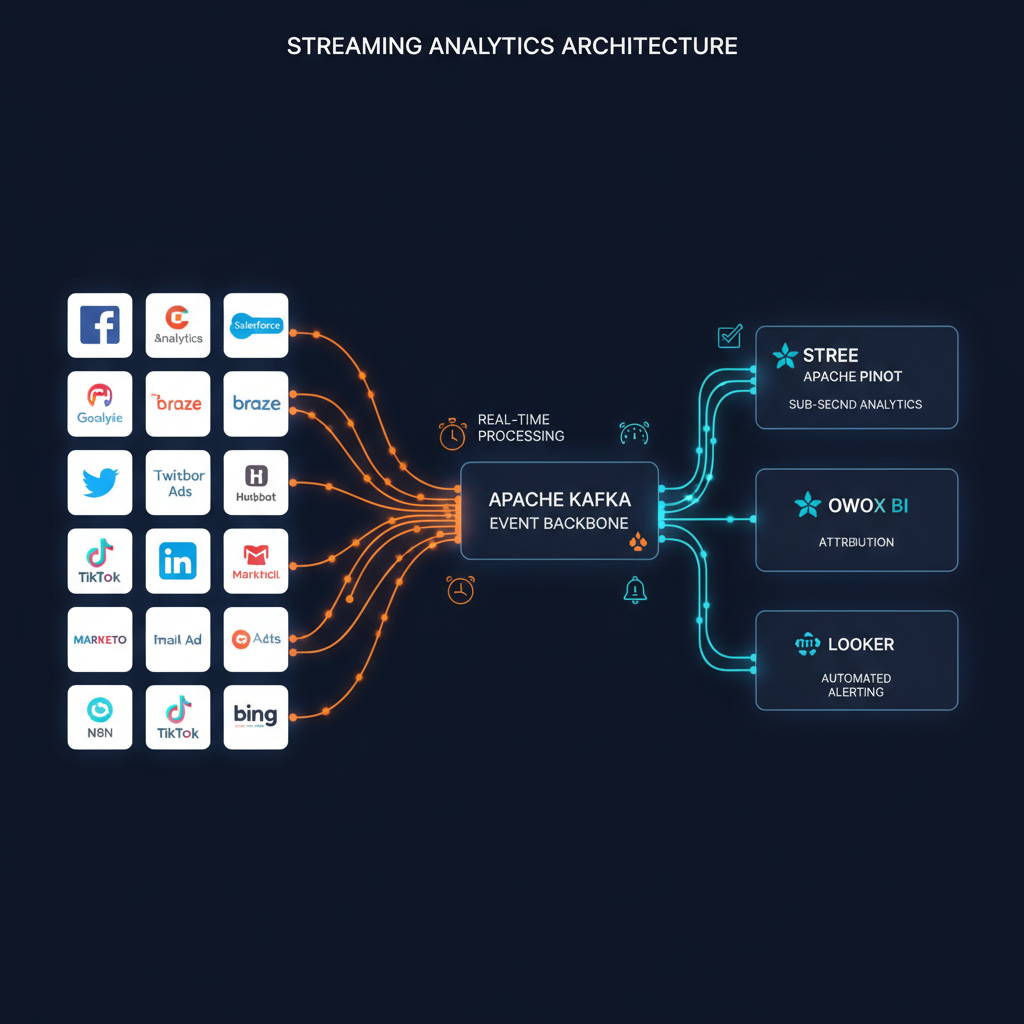
Technical implementation and integration details
Within six weeks, the GEO-first approach delivered measurable visibility improvements:
The firm now ranks prominently in both traditional search and AI-mediated discovery channels.

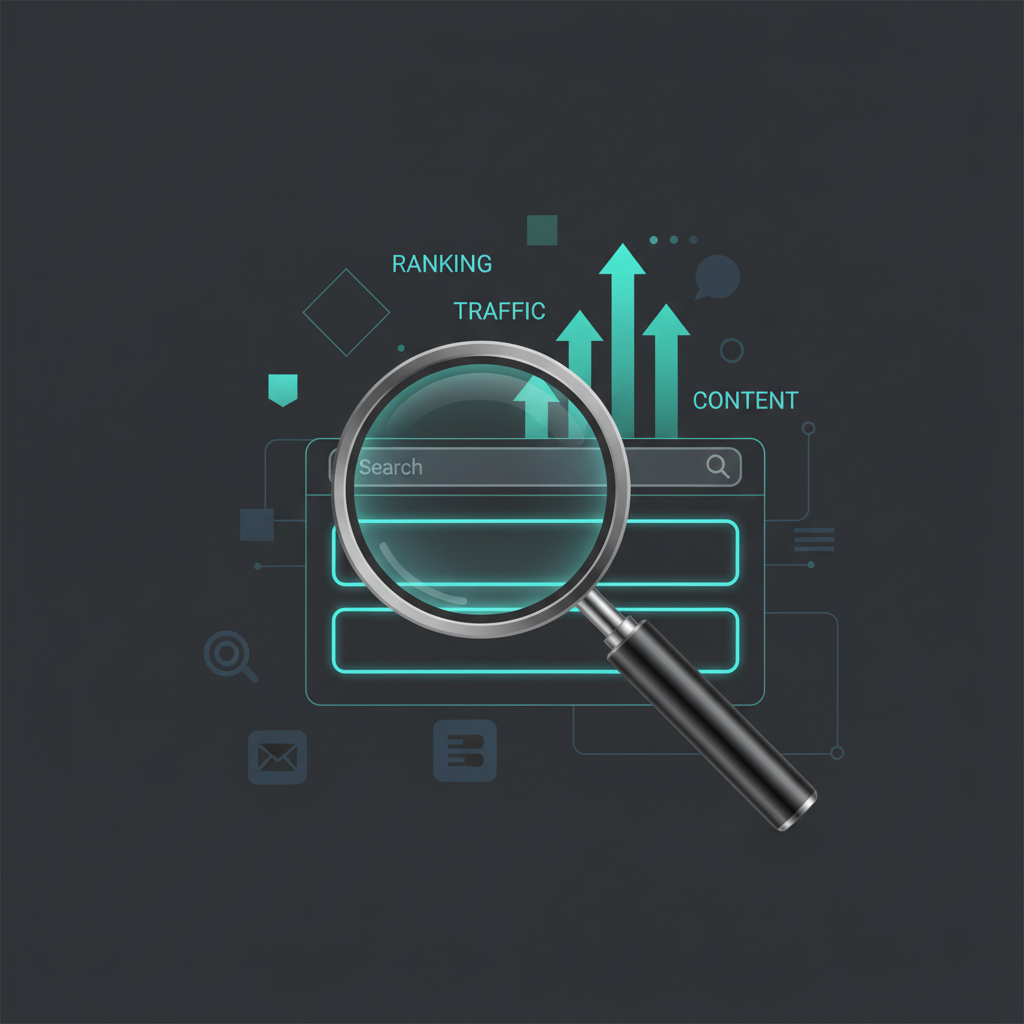
Performance metrics and results visualization
GEO optimization doesn't require starting from scratch—restructuring existing content for AI comprehension delivers quick wins. LLMS.txt implementation shows the fastest citation improvements for minimal effort. Schema.org entity optimization proves essential for disambiguation in AI responses. Organizations that move quickly on GEO establish authority before the space becomes competitive. The firms winning in AI citation aren't necessarily creating more content—they're creating more citable content.
Explore similar case studies
Built a multi-agent GEO monitoring platform tracking AI citations across ChatGPT, Perplexity, and Claude. Increased AI platform visibility 156% with real-time citation intelligence.
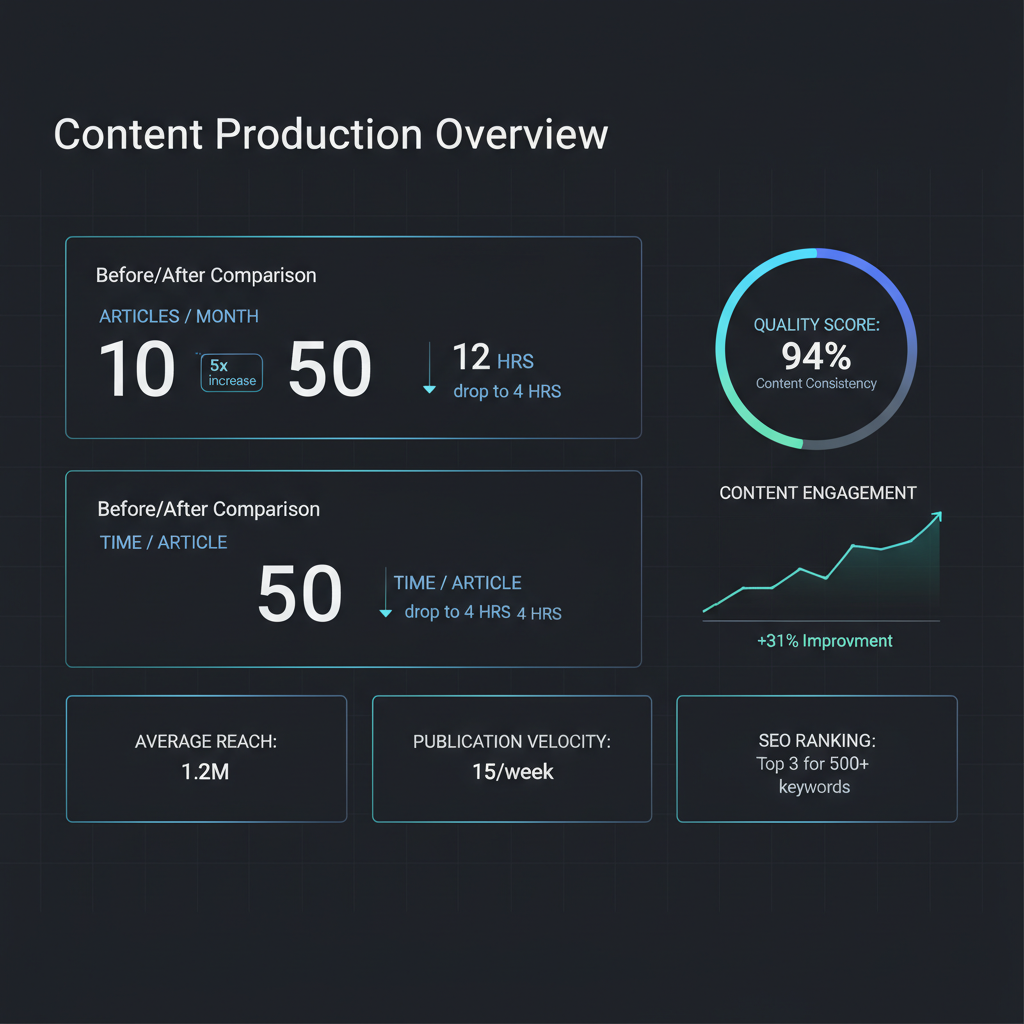
Built RAG-powered content system with brand voice modeling and human-in-the-loop quality gates. Achieved 5x production increase with 94% brand consistency.
Let's discuss how similar strategies and AI-powered solutions could drive measurable results for your business.