
Marketing Tech Stack Consolidation
Led comprehensive digital transformation consolidating 15 disconnected tools into unified AI-first architecture. Achieved 85% task reduction and $2.1M annual savings.
Led comprehensive digital transformation consolidating 15 disconnected tools into unified AI-first architecture. Achieved 85% task reduction and $2.1M annual savings.
A traditional manufacturing company with a 50-year history recognized they were falling behind digitally-native competitors. Their marketing technology stack had grown organically over a decade into a tangled web of 15+ disconnected tools—email platform here, analytics there, CRM somewhere else, spreadsheets everywhere. Data lived in silos. Reports were manual and inconsistent. Simple questions like "which campaigns drive revenue?" required weeks of analyst time to answer approximately. Leadership knew AI could help but lacked internal expertise to distinguish hype from genuine opportunity. They needed a partner to guide genuine transformation, not just add another tool to the pile.
Our approach began with a comprehensive technology audit and stakeholder alignment process—understanding not just what tools existed, but why they were chosen, who relied on them, and what outcomes they were supposed to deliver. We discovered the real problem wasn't the tools themselves but the lack of unified data strategy and the manual processes filling gaps between systems. We designed an AI-first architecture prioritizing three principles: unified data (everything flows through a central warehouse), intelligent automation (AI handles routine tasks), and human-in-the-loop decisions (people make strategic choices with AI-surfaced insights). The transformation roadmap phased changes to minimize disruption while building toward comprehensive automation.
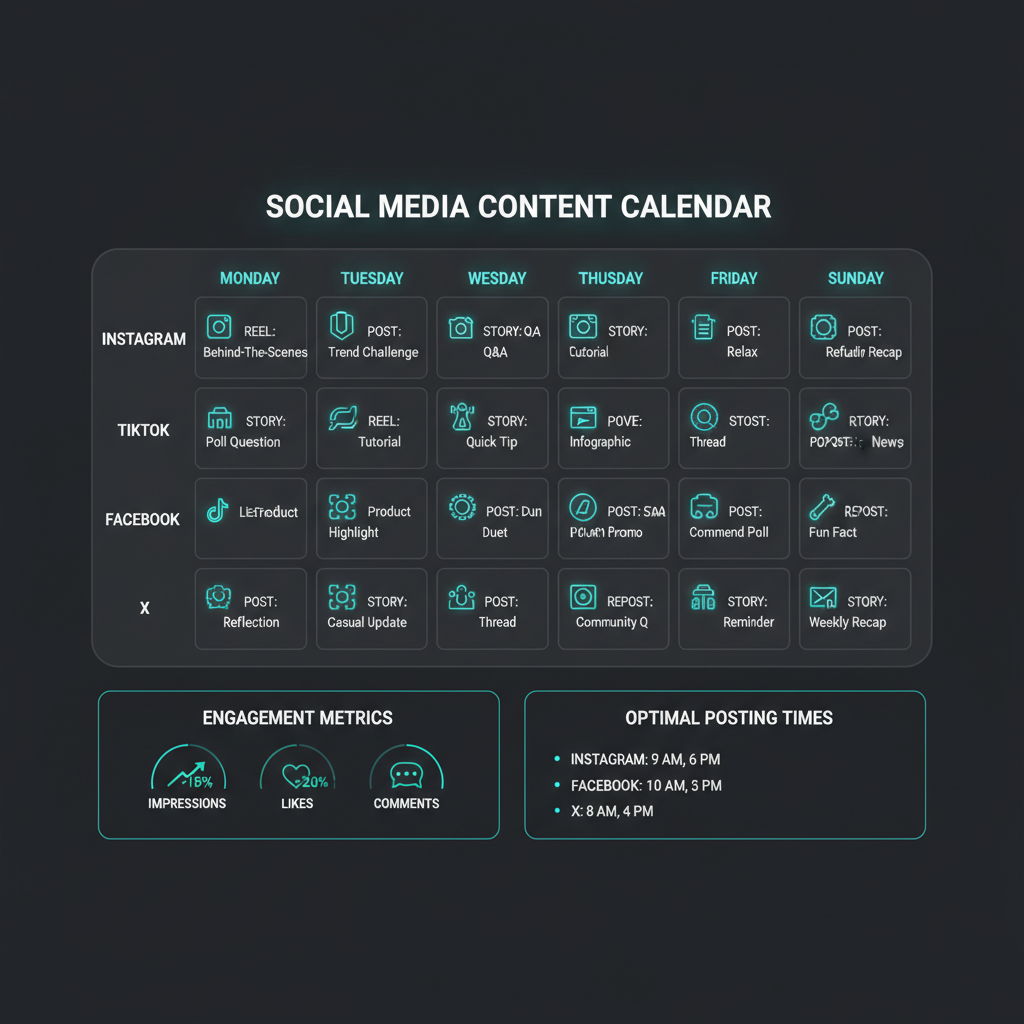
System architecture and workflow visualization
We implemented N8N as the self-hosted enterprise workflow automation backbone—critical for manufacturing environments with strict data sovereignty requirements. The platform now orchestrates hundreds of automated workflows across marketing, sales, and operations.
BigQuery serves as the central data warehouse, consolidating information from all marketing platforms, CRM, e-commerce, and operational systems. dbt transformation pipelines clean, model, and prepare data for analysis, creating a single source of truth that previously didn't exist.
Looker dashboards replaced dozens of manual reports with self-service analytics. Executives access real-time performance data; marketers drill into campaign specifics; finance sees attribution to revenue.
We developed four custom Claude agents: a campaign performance analyst that generates weekly insights, a content recommendation engine that suggests topics based on performance patterns, a budget optimization advisor that identifies reallocation opportunities, and an anomaly detector that flags issues before they become problems.
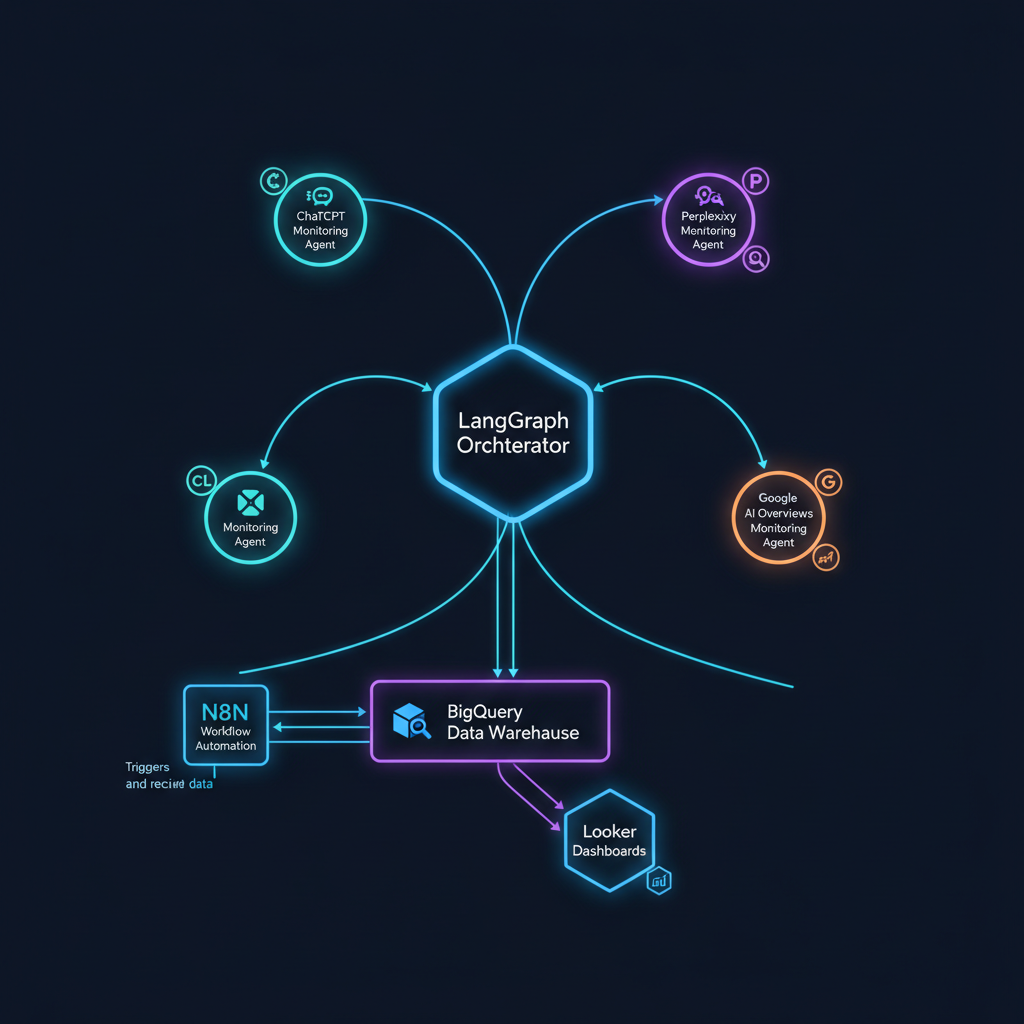
Technical implementation and integration details
Six months post-implementation, the transformation delivered substantial returns:
The company now operates with a modern, AI-augmented marketing function competing effectively against digitally-native rivals.
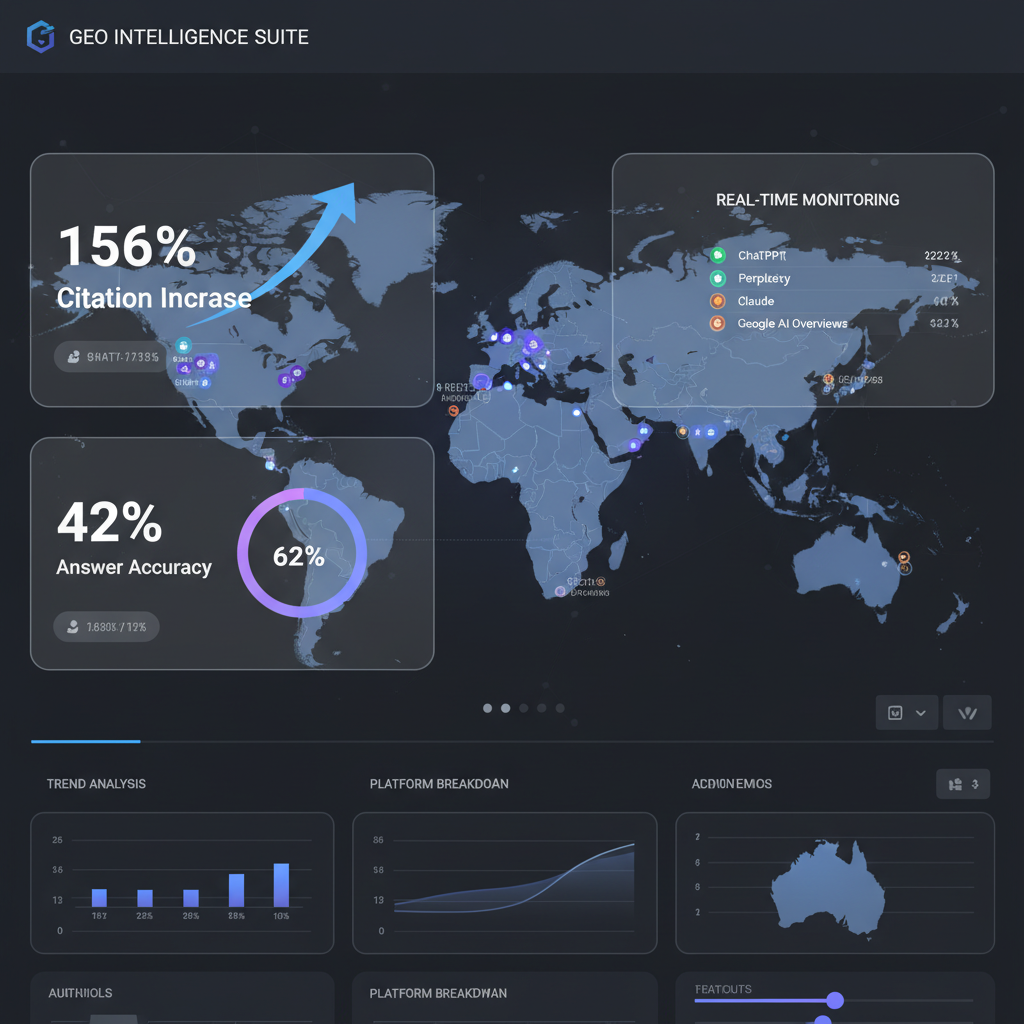
Performance metrics and results visualization
Successful digital transformation requires cultural change alongside technology change. The companies that benefit most are those willing to redesign processes around AI capabilities rather than simply automating existing workflows. Starting with data infrastructure—ensuring clean, unified, accessible data—proves essential before deploying sophisticated AI. Phased implementation with quick wins builds organizational confidence for larger changes.
Explore similar case studies

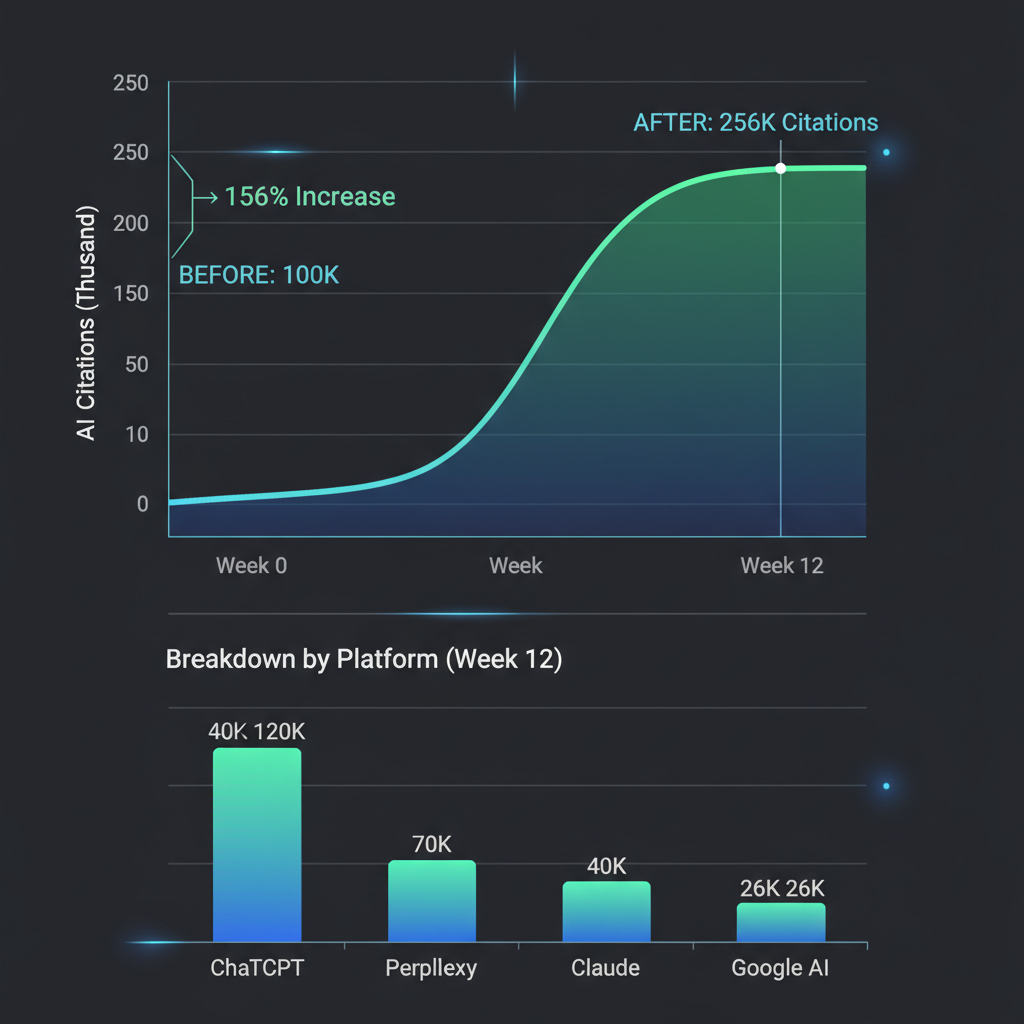
Built a multi-agent GEO monitoring platform tracking AI citations across ChatGPT, Perplexity, and Claude. Increased AI platform visibility 156% with real-time citation intelligence.

Deployed specialized AI agents for prospecting, enrichment, scoring, and engagement prediction. Delivered 28% revenue growth and 52% faster deal cycles.
Built RAG-powered content system with brand voice modeling and human-in-the-loop quality gates. Achieved 5x production increase with 94% brand consistency.
Let's discuss how similar strategies and AI-powered solutions could drive measurable results for your business.