
AI Sales Pipeline Automation
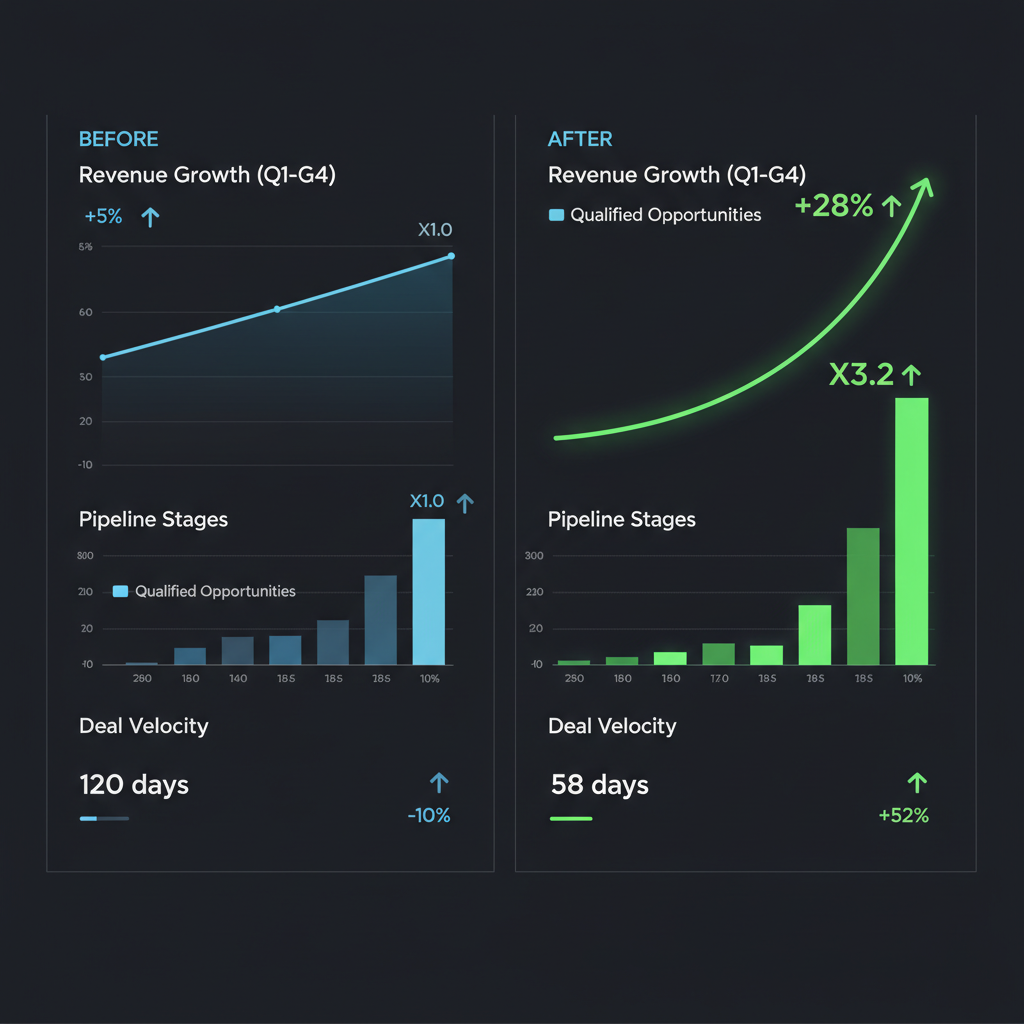
Deployed specialized AI agents for prospecting, enrichment, scoring, and engagement prediction. Delivered 28% revenue growth and 52% faster deal cycles.
Deployed specialized AI agents for prospecting, enrichment, scoring, and engagement prediction. Delivered 28% revenue growth and 52% faster deal cycles.

A mid-market technology company with a 40-person sales team faced a productivity crisis hiding in plain sight. Analysis revealed their sales representatives spent just 35% of their time actually selling—the remaining 65% disappeared into research, data entry, CRM updates, and administrative tasks. Lead scoring was essentially arbitrary, based on rep intuition rather than data. CRM records were outdated within hours of entry as contacts changed roles and companies evolved. The cost wasn't just inefficiency—it was opportunity cost. High-potential leads sat untouched while reps chased prospects their gut said were valuable but data would have deprioritized.
We designed a multi-agent revenue intelligence system that would transform how the sales organization operated. Rather than building a single monolithic AI tool, we architected a team of specialized agents—each optimized for specific tasks—orchestrated to work together like a highly efficient support staff. The philosophy: AI shouldn't replace salespeople, it should eliminate everything that prevents them from selling. Our agent architecture included prospecting specialists, data enrichment agents, scoring systems, and engagement prediction models. Each agent would have clear responsibilities, measurable outputs, and seamless handoffs—mirroring how the best sales operations teams function, but operating at machine speed and scale.
System architecture and workflow visualization
The technical foundation leverages Claude Agent SDK for developing custom agents with sophisticated reasoning capabilities. LangGraph orchestrates the agent ecosystem, managing state, handling complex multi-step workflows, and ensuring reliable execution even when external APIs experience issues.
Our prospecting agent monitors trigger events—funding announcements, leadership changes, expansion signals—and identifies accounts matching ideal customer profiles. The enrichment agent continuously updates CRM records by pulling from Clearbit, Apollo, and LinkedIn data, maintaining contact accuracy without rep intervention.
The scoring engine combines firmographic signals, behavioral data (website visits, email engagement, content downloads), and predictive models built in BigQuery ML. It doesn't just score leads—it explains why, giving reps confidence to prioritize effectively. The engagement prediction agent analyzes historical patterns to recommend optimal outreach timing and channel.
N8N workflows connect everything to HubSpot CRM, ensuring agent insights translate immediately into actionable rep workflows. Pinecone enables semantic lead similarity, helping reps find prospects resembling their best customers.
Technical implementation and integration details
The transformation in sales productivity exceeded projections within the first quarter:
The system now processes thousands of leads daily, ensuring every prospect receives appropriate attention based on genuine potential.
Performance metrics and results visualization
Multi-agent architectures outperform single-model approaches for complex sales workflows because they mirror actual organizational structures. The key success factor was designing agents with clear boundaries and measurable outputs. Sales teams don't need AI that tries to do everything—they need specialized agents that do specific things exceptionally well, orchestrated to work together seamlessly.
Explore similar case studies
Built a multi-agent GEO monitoring platform tracking AI citations across ChatGPT, Perplexity, and Claude. Increased AI platform visibility 156% with real-time citation intelligence.
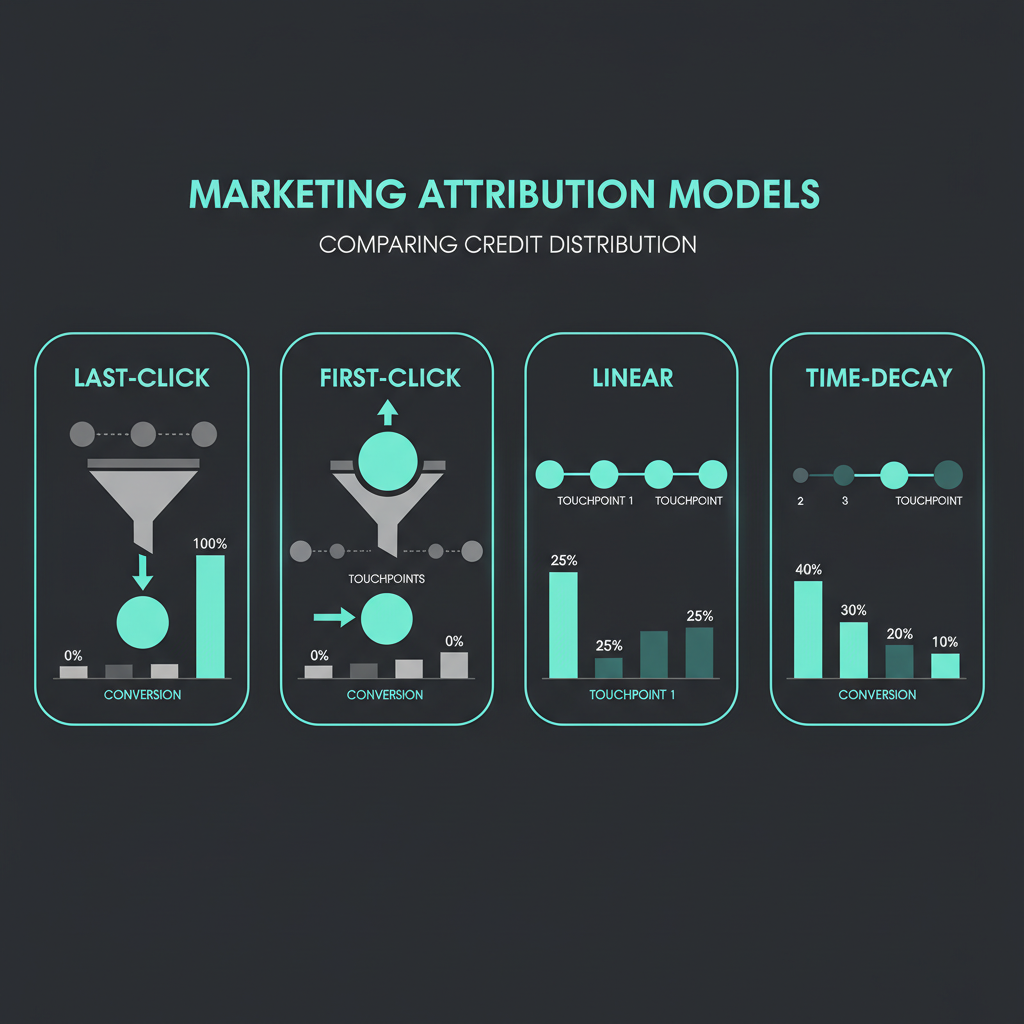
Led comprehensive digital transformation consolidating 15 disconnected tools into unified AI-first architecture. Achieved 85% task reduction and $2.1M annual savings.
Implemented sub-500ms marketing analytics across 12 channels with AI anomaly detection. Reduced wasted spend 34% and saved $890K through early issue detection.
Let's discuss how similar strategies and AI-powered solutions could drive measurable results for your business.