
Jira AI Workflow Automation
Implemented AI-powered Jira automation with intelligent triage, blocker detection, and sprint prediction. Reduced triage time 78% and sprint planning from 8 to 2 hours.
Implemented AI-powered Jira automation with intelligent triage, blocker detection, and sprint prediction. Reduced triage time 78% and sprint planning from 8 to 2 hours.
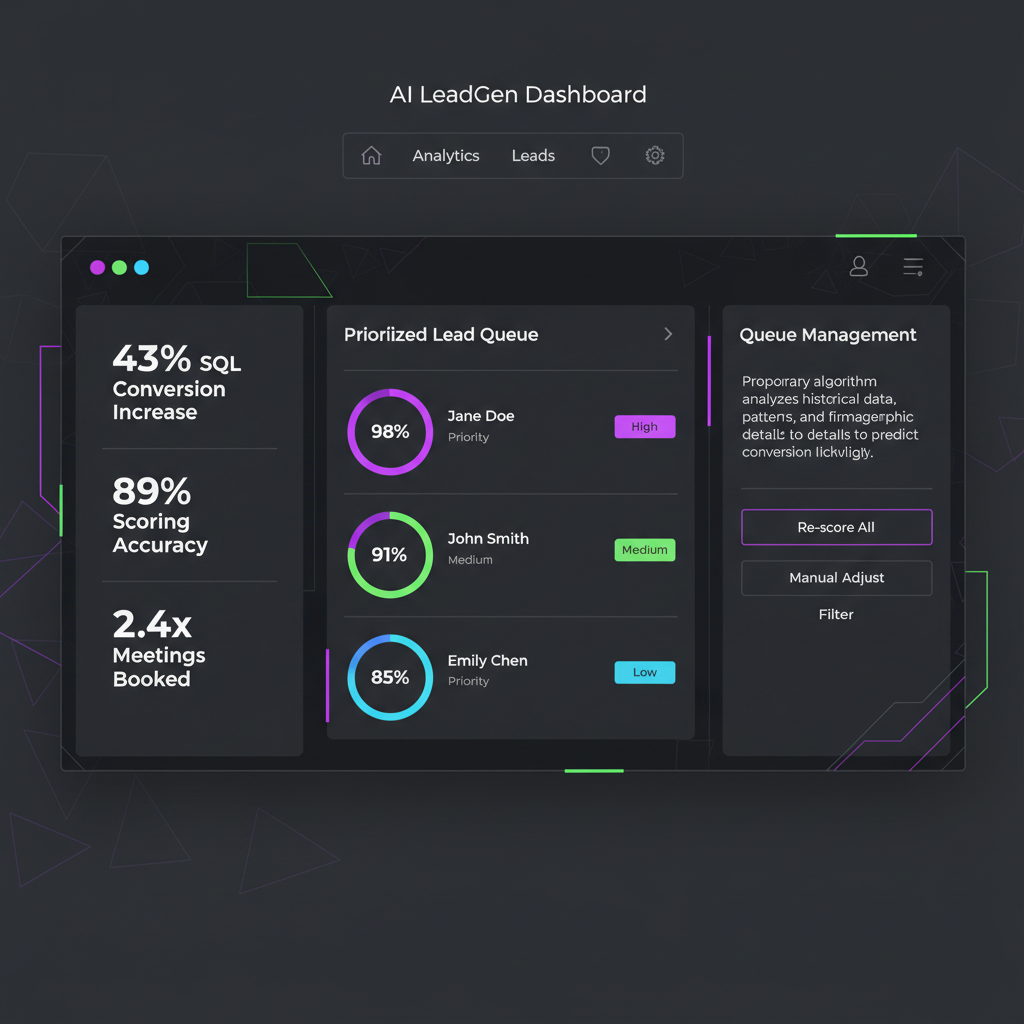
A 40-person technology team's Jira instance had devolved into chaos. Over 3,000 tickets sat in various states—some genuinely in progress, many forgotten, some already completed but never updated. Sprint planning consumed entire days as managers tried to understand true status and capacity. Blockers went unnoticed until standup meetings revealed them—often days after they could have been addressed. The tool meant to improve productivity had become a productivity drain. Teams needed Jira to work for them, not create additional administrative burden.
We designed an AI-powered automation layer that would transform Jira from passive record-keeping to active workflow intelligence. The system would automatically triage new tickets, detect blockers proactively, update statuses based on actual work signals, predict sprint capacity realistically, and generate standup summaries automatically. The goal: make Jira an intelligent assistant rather than an administrative burden. Engineers would update tickets less but Jira would be more accurate.
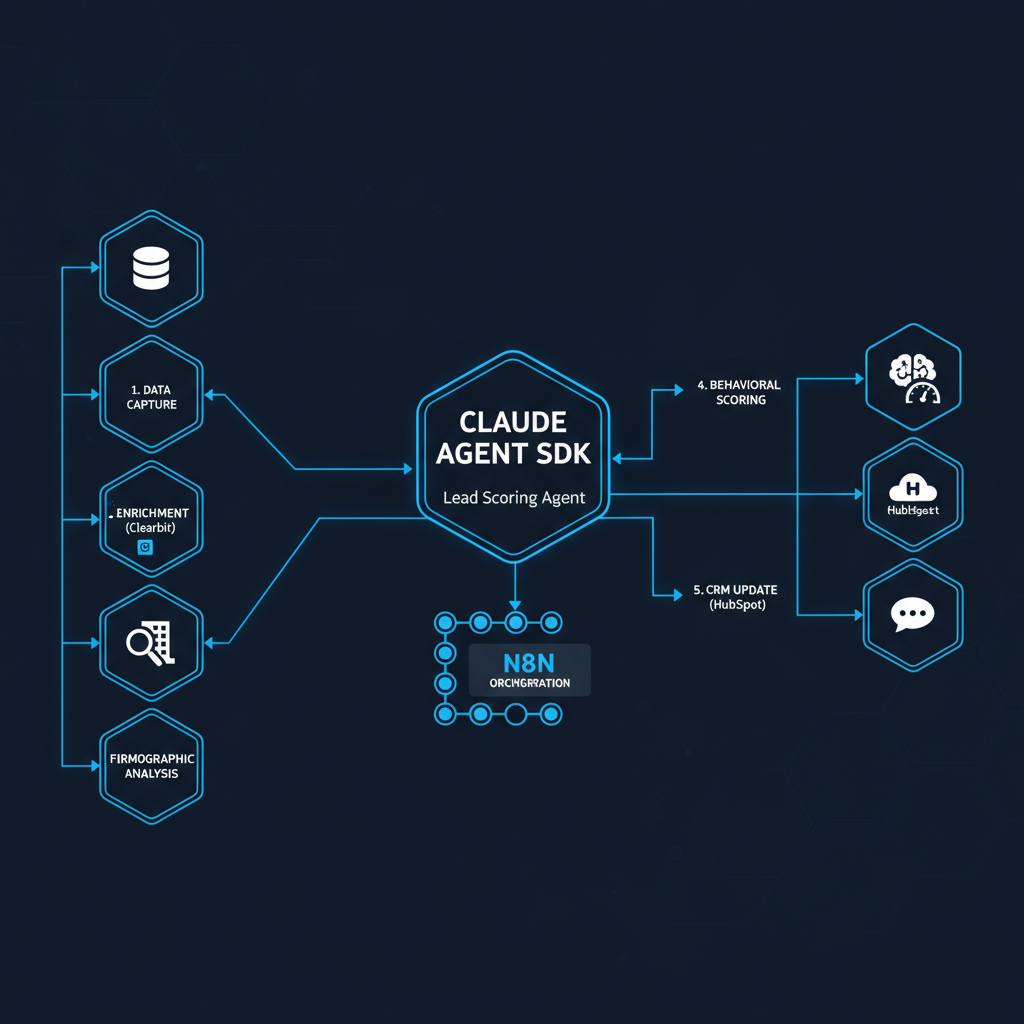
System architecture and workflow visualization
We built deep integration with Jira and Atlassian APIs, accessing ticket data, workflow transitions, comments, and activity feeds. N8N orchestrates all automation workflows, from ticket creation to sprint completion.
A Claude Agent analyzes new tickets, applying intelligent triage based on content analysis, historical patterns, and current team capacity. The agent suggests priority, estimates complexity, identifies relevant team members, and flags potential blockers before work begins.
Blocker detection monitors ticket state and cross-references dependencies. When a blocking ticket stalls, the system alerts relevant parties immediately rather than waiting for manual escalation. Integration with GitHub/GitLab enables automatic status updates when pull requests are created, merged, or deployed.
The sprint prediction model analyzes historical velocity, current capacity, and planned work to forecast realistic completion probability. This enables planning conversations based on data rather than optimism.
Automated standup summaries pull from ticket activity and commit history, generating natural language updates for each team member—reducing meeting time while improving information quality. Slack integration delivers summaries where teams already communicate.
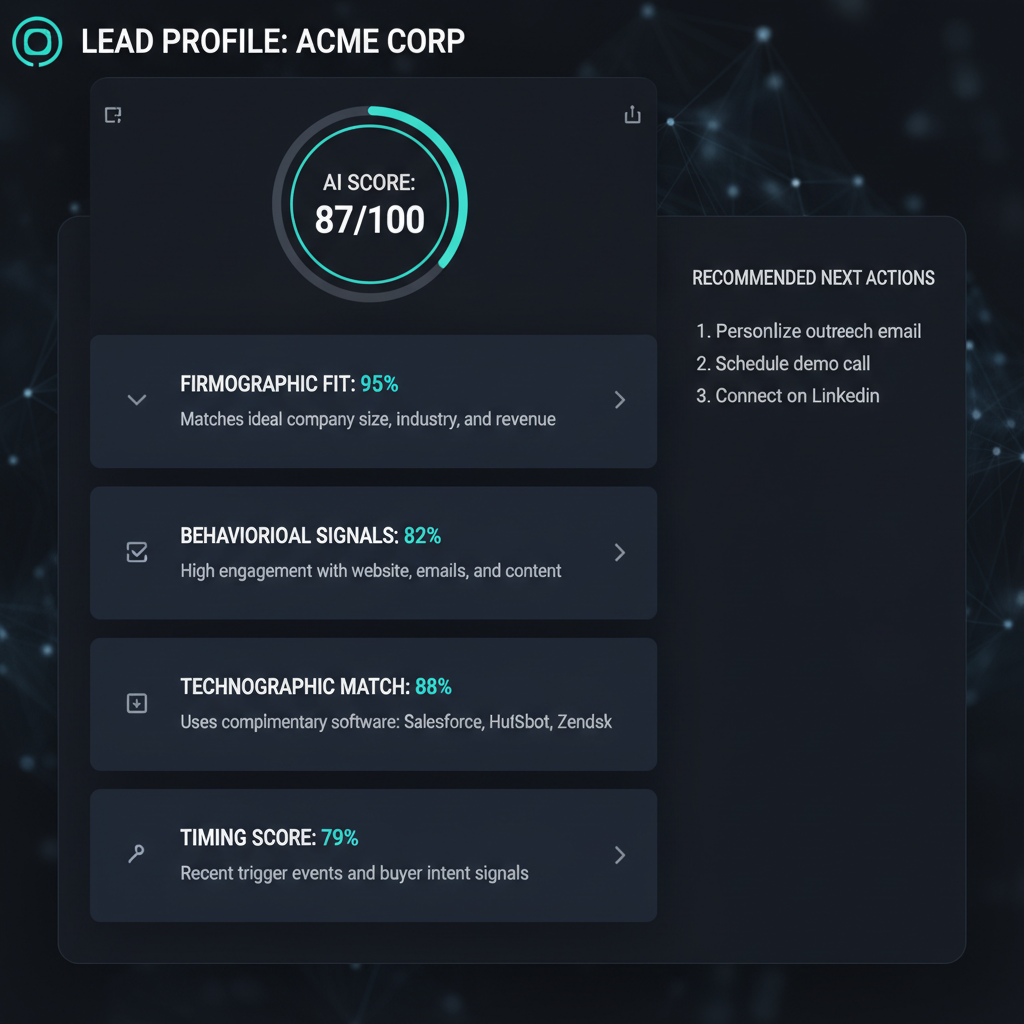
Technical implementation and integration details
Five weeks of implementation transformed development operations:
The team now spends time building products rather than managing tools.
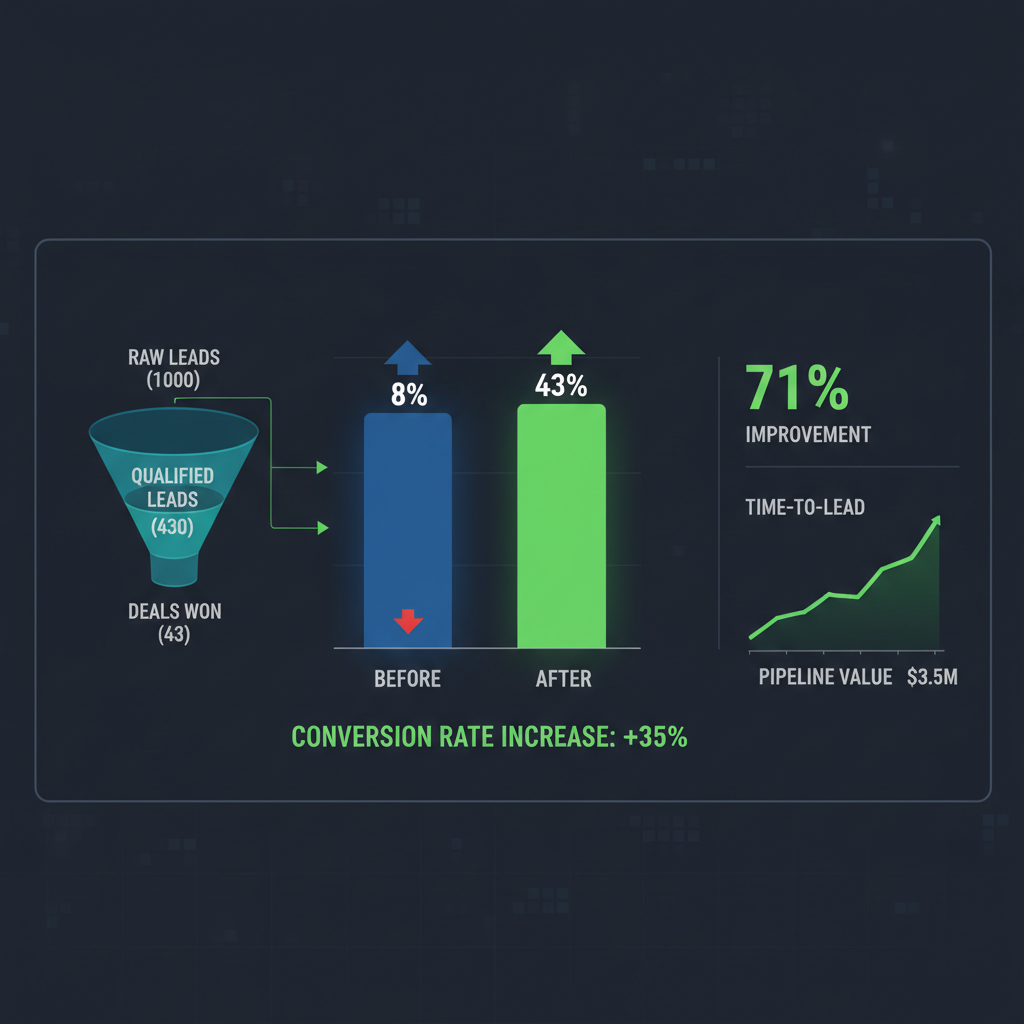
Performance metrics and results visualization
AI automation should eliminate administrative burden, not add another system to manage. Integration with actual work signals (commits, PRs) provides more accurate status than manual updates. Proactive blocker detection delivers immediate value—catching issues early prevents cascading delays. Developer adoption requires demonstrating that automation reduces their burden rather than increasing oversight. The best project management AI makes itself invisible by simply making things work better.
Explore similar case studies
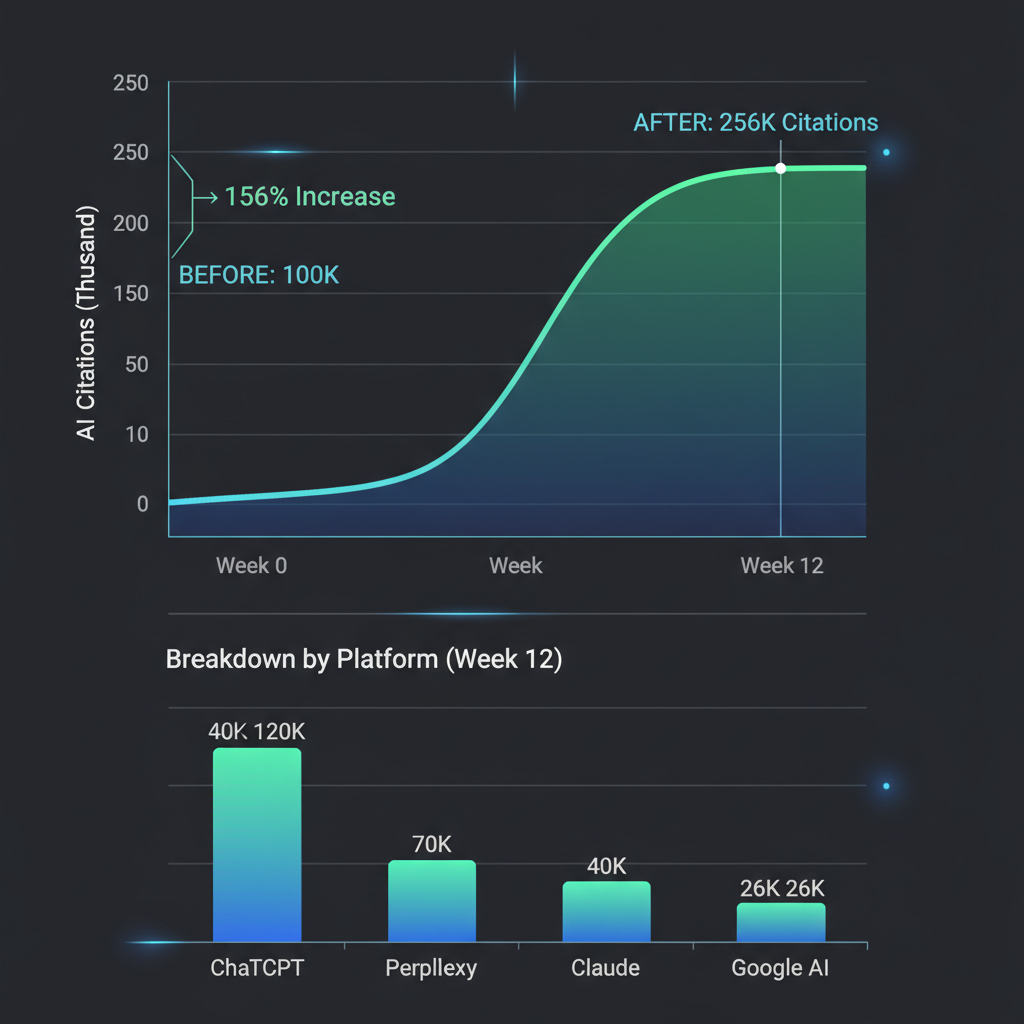
Built a multi-agent GEO monitoring platform tracking AI citations across ChatGPT, Perplexity, and Claude. Increased AI platform visibility 156% with real-time citation intelligence.
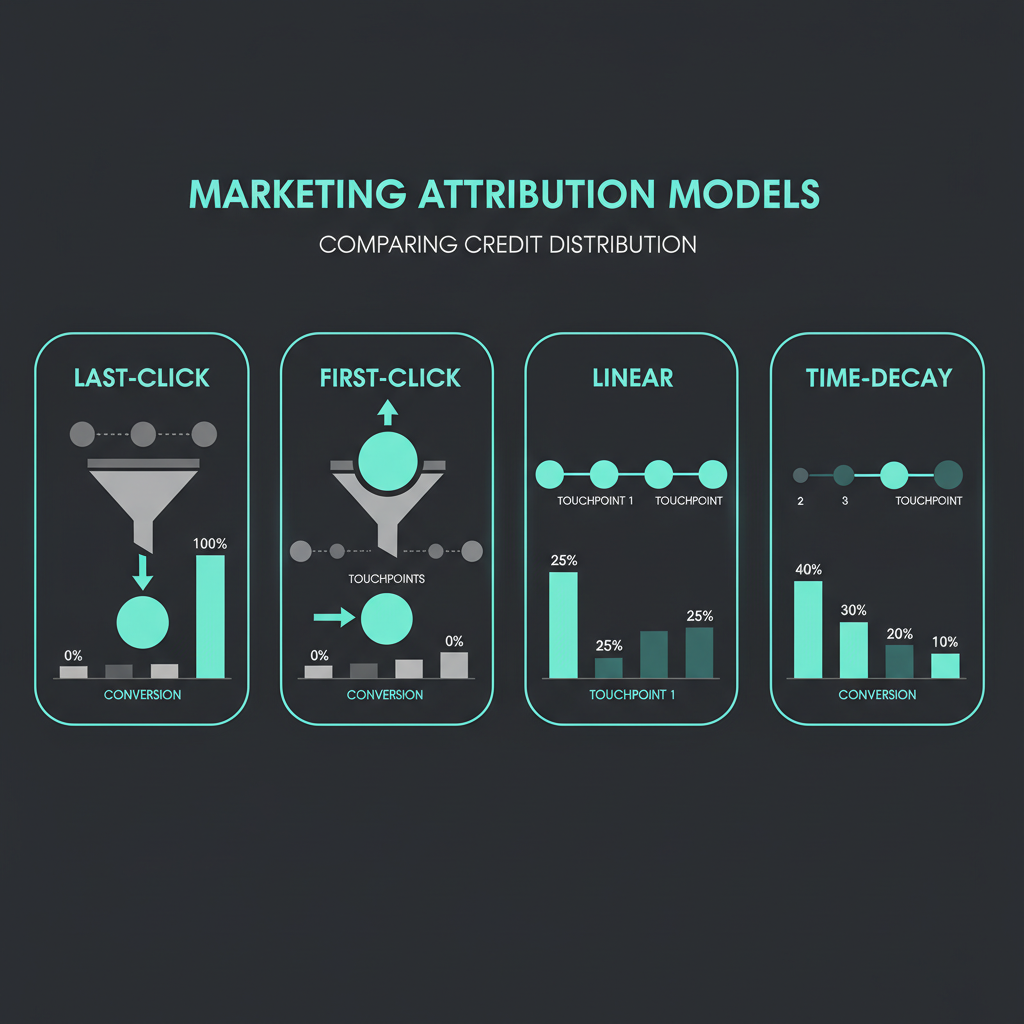
Led comprehensive digital transformation consolidating 15 disconnected tools into unified AI-first architecture. Achieved 85% task reduction and $2.1M annual savings.
Built RAG-powered content system with brand voice modeling and human-in-the-loop quality gates. Achieved 5x production increase with 94% brand consistency.
Let's discuss how similar strategies and AI-powered solutions could drive measurable results for your business.